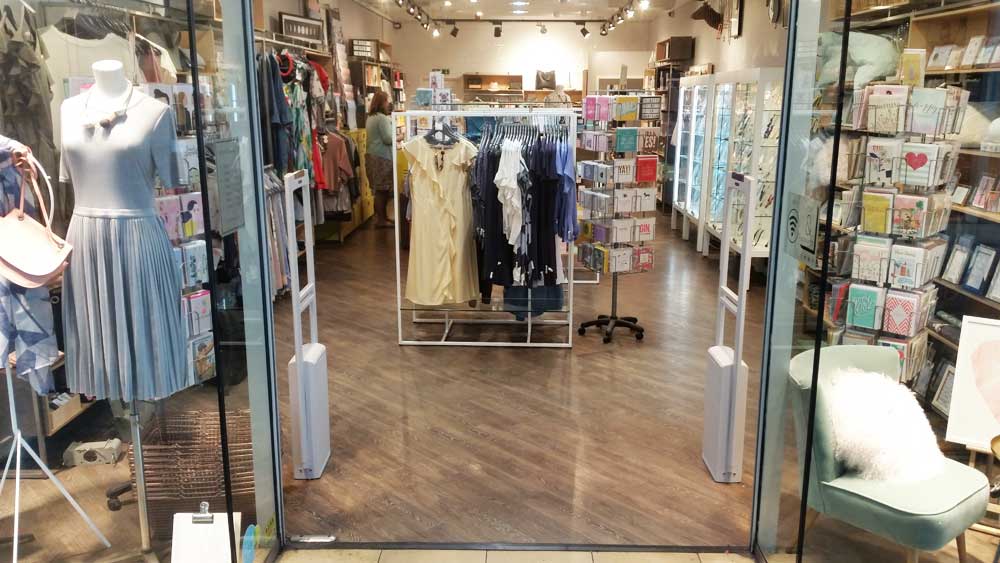
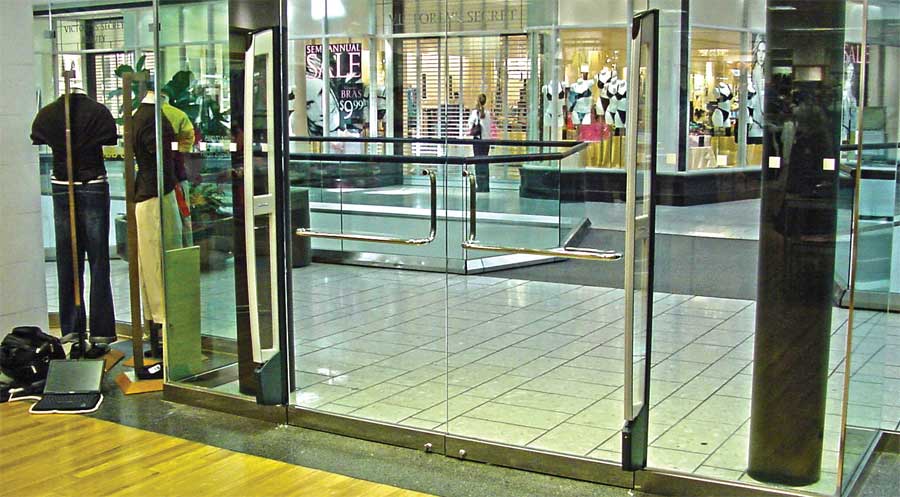
Advanced retail security is no longer optional. Shrinkage, planned theft, and worries about staff safety hurt both profits and morale. The good news is that you don't have to spend a lot of money to get a modern retail security system. Leasing breaks the cost down into regular, predictable payments, so you can protect people, stock, and profits without having to pay a lot of money up front.
Why It's Important to Invest in a Retail Security System
A strong security system lowers shrinkage, stops thieves from getting in, and makes coworkers and customers feel safe. It’s a layered approach: EAS detection at exits, security tags on high‑risk lines, CCTV, analytics, and clear procedures. For scale and context, the British Retail Consortium’s latest survey highlights the continuing pressure on retailers to invest in prevention. Strong retail security is ultimately about protecting revenue, people, and the shopping experience.
The Upfront Cost Challenge, and Why Leasing Helps
Buying high‑quality equipment outright can be tough on cash flow, especially during peak buying seasons or multi‑site rollouts. Leasing makes a big capital expense into monthly operating costs that are easy to handle. You get the protection you need right away, and you still have room for stock, staff, and marketing. That flexibility can make all the difference for businesses that are growing. It can mean the difference between putting off action and stopping losses right away.
How Leasing A Retail Security System Works
Leasing keeps things simple and flexible:
- Choose your solution. Begin with the basics, like EAS detection systems at entrances and security tags for specific groups. Then, add CCTV and analytics as needed.
- Agree terms. Most agreements last between one and five years and have fixed monthly payments, which makes it easy to plan your budget for all seasons.
- Install and protect. JKI Distribution manages specification, installation, and training so the system performs from day one.
- Flex and upgrade. As your store mix evolves, or as new technology lands, you can scale, swap, or add devices without scrapping your initial investment.
At the end of the term, you will usually have the choice to extend, upgrade, or buy, which will keep your retail security system in line with your goals.
Key benefits of leasing over buying outright
- Control of cash flow. Use a high-quality security system to keep your capital free for activities that make money.
- Predictable costs. Fixed monthly payments make planning easier and take away surprises.
- Tax advantages. Lease payments are often treated as operating expenses, which may be tax‑deductible (confirm with your accountant).
- Latest tech access. Stay current with antenna design, tag formats, and analytics, without starting from zero every few years.
Lower lifecycle risk. If your estate changes, leased assets can move with you or be reconfigured more easily than owned equipment
When purchasing may be better
Leasing isn’t a one‑size‑fits‑all answer. Buying outright can make sense if you have strong cash reserves and want to minimize long‑term financing costs; if your environment is stable and low‑maintenance; or if you prefer full ownership and the ability to depreciate assets on your balance sheet. Many retailers choose a hybrid model: purchase core infrastructure and lease the elements most likely to evolve, such as antennas and analytics, or specialized tagging for seasonal lines.
How JKI Distribution supports your decision
Selecting the right finance route starts with the right design. JKI Distribution provides practical, vendor‑neutral guidance to match risk, layout, and budget. Our process includes:
- Site assessment and consultation. Book a session to audit risk, traffic flow, and current kit, then map quick wins and long‑term upgrades (Book a consultation).
- Solution design. From proven EAS detection systems to tailored security tags, we build a layered plan to cut shrink quickly.
- Leasing guidance. We connect you with trusted financial partners, explain the terms in simple language, and help you figure out the total cost of ownership compared to leasing.
Pre-Lease Checklist: What to Confirm Before You Sign
See this checklist before you sign a lease to make sure you don't miss anything.
- Check the total length of the contract, the monthly payment, and whether installation, commissioning, and staff training are included. Make sure you know what services are covered for callouts, parts, and preventative maintenance.
- If you open new sites, ask about end-of-term options like extending, upgrading, buying at fair market value, or nominal buyout, as well as any fees for early upgrades. Find out how much it costs to index, document, insure, and own the data that your retail security system collects.
- Make sure the proposal includes the exact models, firmware, and amounts of equipment. A clear, itemised agreement protects cash flow and sets performance expectations from day one. Review it with JKI Distribution
Quick comparison: lease vs buy
- Upfront spend: Lease = low; Buy = high
- Monthly impact: Lease = fixed Opex; Buy = none after purchase
- Tech currency: Lease = easy upgrades; Buy = refresh cycles cost more
- Balance sheet: Lease = typically Opex; Buy = capitalise and depreciate
Flexibility: Lease = scale with stores; Buy = less flexible if the estate changes
Ready to protect your stores, without the cash squeeze?
If you’ve delayed upgrades because of cost, leasing can unlock the retail security system you need now. JKI Distribution will help you scope risk, design the right mix of technology, and pick a finance option that supports cash flow and growth. Protect stock, people, and margin, without upfront stress. Book your consultation today: Talk to JKI Distribution.
Our Security Tagging Systems