Every retail business loses stock
Some of it is administrative – miscounts, supplier shortfalls, pricing errors. But a significant and growing portion of it walks out of the door. Retail shrinkage, the industry term for the gap between what a store should have and what it actually has, costs the UK retail sector billions of pounds each year. For individual shop owners and retail managers, the impact is felt directly in margins, staffing decisions, and the price of goods on the shelf.
The response to shrinkage has evolved considerably over the years, but one technology has remained central to retail loss prevention strategies for decades: the Electronic Article Surveillance system, more commonly known as an EAS security system. Understanding how these systems work, what they actually prevent, and how they fit into a broader security approach is useful for any retailer looking to get a grip on losses they may have come to accept as an unavoidable cost of business.
What Shrinkage Actually Costs
Before looking at solutions, it's worth sitting with the scale of the problem. According to the Centre for Retail Research, shoplifting alone costs the UK retail industry in the region of £2 billion per year – and that figure doesn't account for internal theft, administrative error, or supplier fraud, which together make up the fuller picture of shrinkage. When all sources are combined, the British Retail Consortium consistently reports shrinkage as one of the most significant drains on retail profitability.
The cost isn't just felt by retailers. Shrinkage is ultimately passed on to consumers through higher prices, with estimates suggesting it adds tens of pounds to the average household's annual shopping bill. For independent and smaller retailers operating on tighter margins than the major multiples, the impact can be disproportionately severe. A string of thefts on high-value items – clothing, alcohol, electronics, cosmetics – can meaningfully affect a small business's ability to trade profitably. This is the context in which EAS security systems make their case most compellingly.
How EAS Security Systems Work in Practice
An EAS system operates on a straightforward principle. Security tags or labels are attached to merchandise. Detection antennas – typically positioned at the store entrance and exit – communicate with those tags. If a tagged item passes through the detection zone without having its tag deactivated or removed by an authorised detacher at the point of sale, an alarm is triggered.
The technology has become considerably more sophisticated since its early iterations. Modern systems offer high detection accuracy with world-class noise filtering, meaning fewer false alarms and more reliable detection of genuine theft attempts.
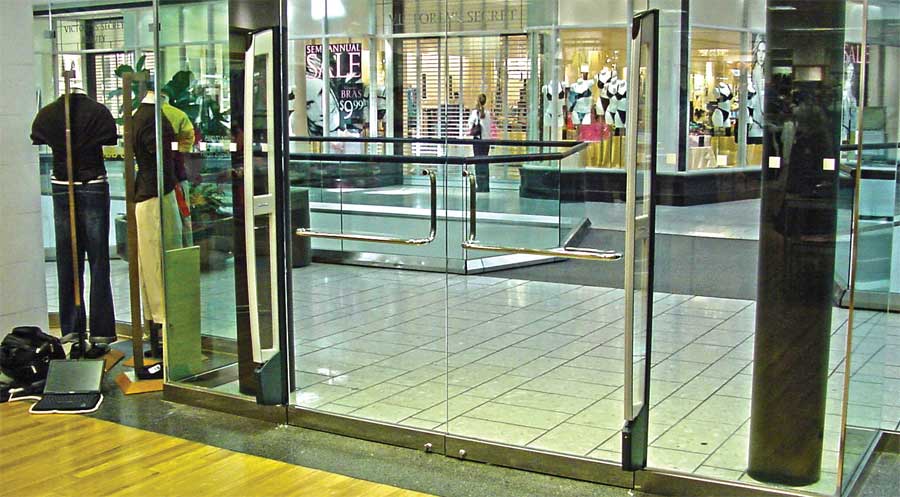
Systems can be configured as visible pedestal units at store exits or as concealed floor and door loops – a useful option for retailers who want protection without the visual presence of traditional barriers. The range of tags available has also expanded significantly, from standard hard tags for clothing and accessories to SuperTags for higher-risk or bulkier merchandise and security labels for packaged goods. Each format is designed to make removal without detection as difficult as possible.
Deterrence Is as Valuable as Detection
It's tempting to evaluate an EAS system purely on the number of alarms it triggers, but that framing misses much of the value it delivers. The more significant effect of a well-implemented EAS system is deterrence – the prevention of theft attempts that never happen because the visual presence of tags and detection equipment makes a would-be thief decide the risk isn't worth taking.
Research consistently shows that the visibility of security measures is one of the strongest factors in a shoplifter's decision-making. A store with clearly tagged merchandise and detection antennas at the exits presents a fundamentally different risk calculation to one without them.
Organised retail crime gangs, in particular, tend to scout locations before operating and are known to avoid premises with robust, visible security infrastructure. This means that much of the return on investment from an EAS system comes not from the alarms it sounds, but from the thefts it silently prevents.
Fitting EAS Into a Broader Loss Prevention Strategy
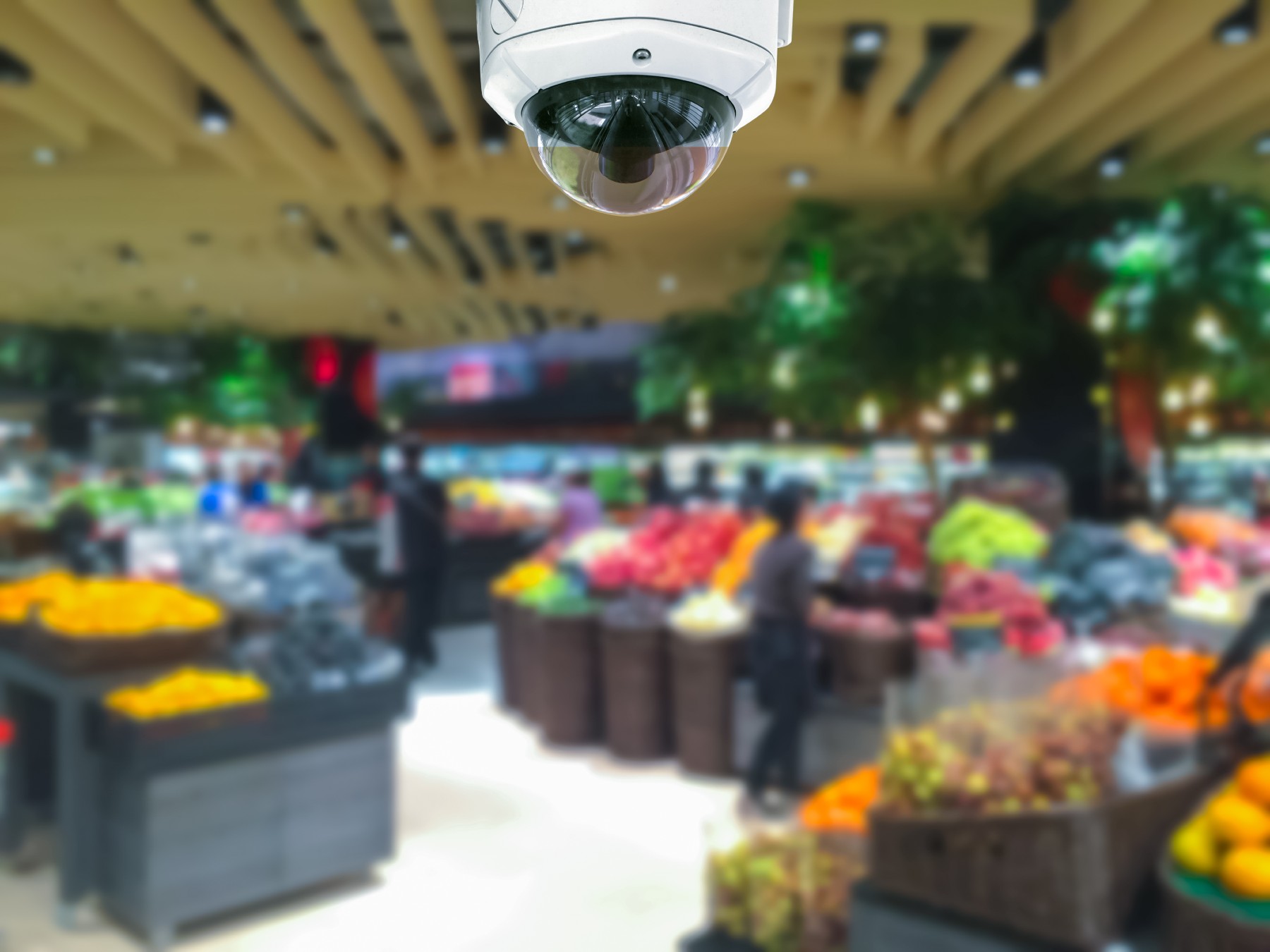
An EAS security system is most effective when it sits within a considered loss prevention strategy rather than operating as a standalone measure. The most successful retail security approaches combine electronic article surveillance with staff training, store layout decisions, and – where appropriate – CCTV coverage and the presence of security personnel. Each element reinforces the others: EAS detection supports security staff by alerting them to incidents in real time; staff awareness of high-risk products informs tagging decisions; store layout can reduce blind spots and limit the opportunities available to opportunistic thieves.
According to the British Retail Consortium's annual crime survey, the retailers that report the lowest rates of shrinkage are those that treat loss prevention as an ongoing operational discipline rather than a one-off investment.
That means reviewing which products are being targeted, adjusting tagging accordingly, ensuring that deactivation and detaching equipment is maintained and working correctly, and keeping staff engaged with the rationale behind security procedures. An EAS system provides the foundation for all of this – but its effectiveness over time depends on how actively it's managed.
Getting the Right System for Your Retail Operation
Retail shrinkage is not an inevitability that shop owners simply have to absorb. With the right EAS security system in place, properly specified for the products being protected and the layout of the store, the impact of theft can be substantially reduced – and the deterrent effect means that reduction often exceeds what the headline alarm statistics suggest.
JKI Distribution has been supplying and installing EAS security systems for retailers across the UK since 1998, as an approved and accredited partner of Sensormatic Retail Solutions. Whether you're protecting a fashion outlet, a supermarket, an entertainment venue, or a specialist independent retailer, our team can survey your site, recommend the right combination of detection systems and tagging solutions, and provide ongoing service and support. To find out what the right approach looks like for your business, get in touch with the JKI team or explore our full range of security tagging systems for retailers.
Our Security Tagging Systems